By Yousra Fakhro, Sports Editor
Growing up in TC, most of my
peers were either Christian,
Buddhist or atheist. As a
Muslim, I started wearing the hijab in the first grade. I was happy to follow in my mother and sisters’ footsteps as I wanted to wear the hijab like they do, but, they didn’t prepare me for what
I was about to experience from the
world Elementary school first exposed
me to xenophobia. Then, I became the
focus of a rumor claiming that I wore
my scarf because I was bald. I remember
explaining that I wore the hijab to
demonstrate my religion. Someone I
considered a friend told me if I took
off my scarf, wore short-shorts and a
short-sleeved shirt, I could sit with her
on the bus. Later, in fourth grade, a peer
told me I would be popular without my
scarf. I feel bad that these kids learned
to worry about how people looked and
not to respect them; we were nine or 10
years old. They should have worried
about recess instead.
ILLUSTRATION/ Tuan Nguyen
Many students used to ask why I wore the hijab. I thought at first that they just wanted to learn, so I told them it was a part of my religion. But the same people asked the same questions over and over, expecting to get a different answer from the last. They put me on the spot and cut me off from the crowd.
It bugged me that they didn’t truly want to learn about my religion. All they knew was I was different.
I wasn’t just exposed to xenophobia from my peers but adults as well— adults who should’ve known better. Once, a passerby told my sister and I, “You’re going to hell.” I was much older at the time and my peers grew out of saying whatever popped into their heads, so it was shocking that an adult had the audacity to say that to us. Similarly, my family’s trip to Redondo Beach involved two different people offering us the Bible. I do not understand how else we could have told them that we didn’t want nor need one, since our attire emphasized that enough.
I have lost the patience for such ignorant acts. When they happen, my heart beats quickly and I want to shrink into myself. I, nor anyone else, should feel like that; no one should have the power to make me feel uncomfortable in my own skin, but they do.
I wish that none of that happened to me. However, we still live in a world, even a school, where discrimination of all sorts exists. At TCHS alone, I’ve heard students ignorantly using the N-word, disrespecting African American peers and staff. Students using such language will only understand the harm in what they’re doing when they truly learn about African American struggles and perspectives.
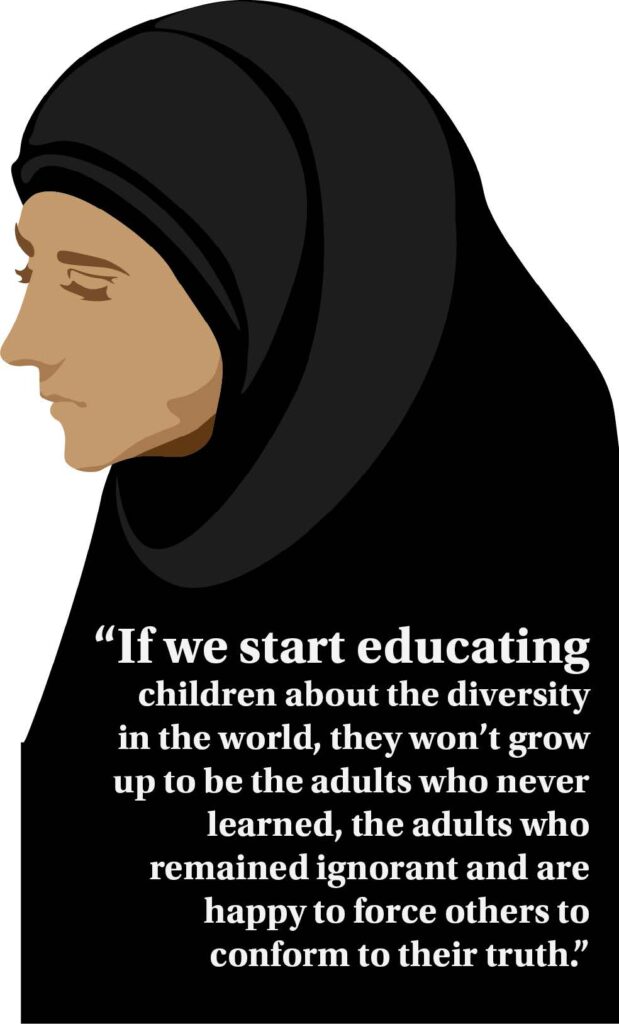
It’s baffling how some students and even adults, who should have much more experience and wisdom than kids, act like such children when met with people who appear different. If we educate children
about the diversity in the world, they won’t grow up to be the adults who never learned, the adults who remained ignorant and are happy to force others to conform to their truth.
The CA Department of Education guidelines for kindergarten through fifth grade state that in literacy and history, children “read to gain, modify or ex-tend knowledge or to learn different perspectives.” Children are learning to understand different perspectives; they need to learn about people’s cultural and religious differences, too. If not already, grade school teachers should actively teach children about diversity— teachers are in a position to end xenophobia in our youngest generation.
Thank you for sharing. Ignorance stipends progress and unity. We may have different ways in life, BUT as long as people are not inspiring hate or harm, we are all human Humanity matters.